The Game of Intellectual Critique.
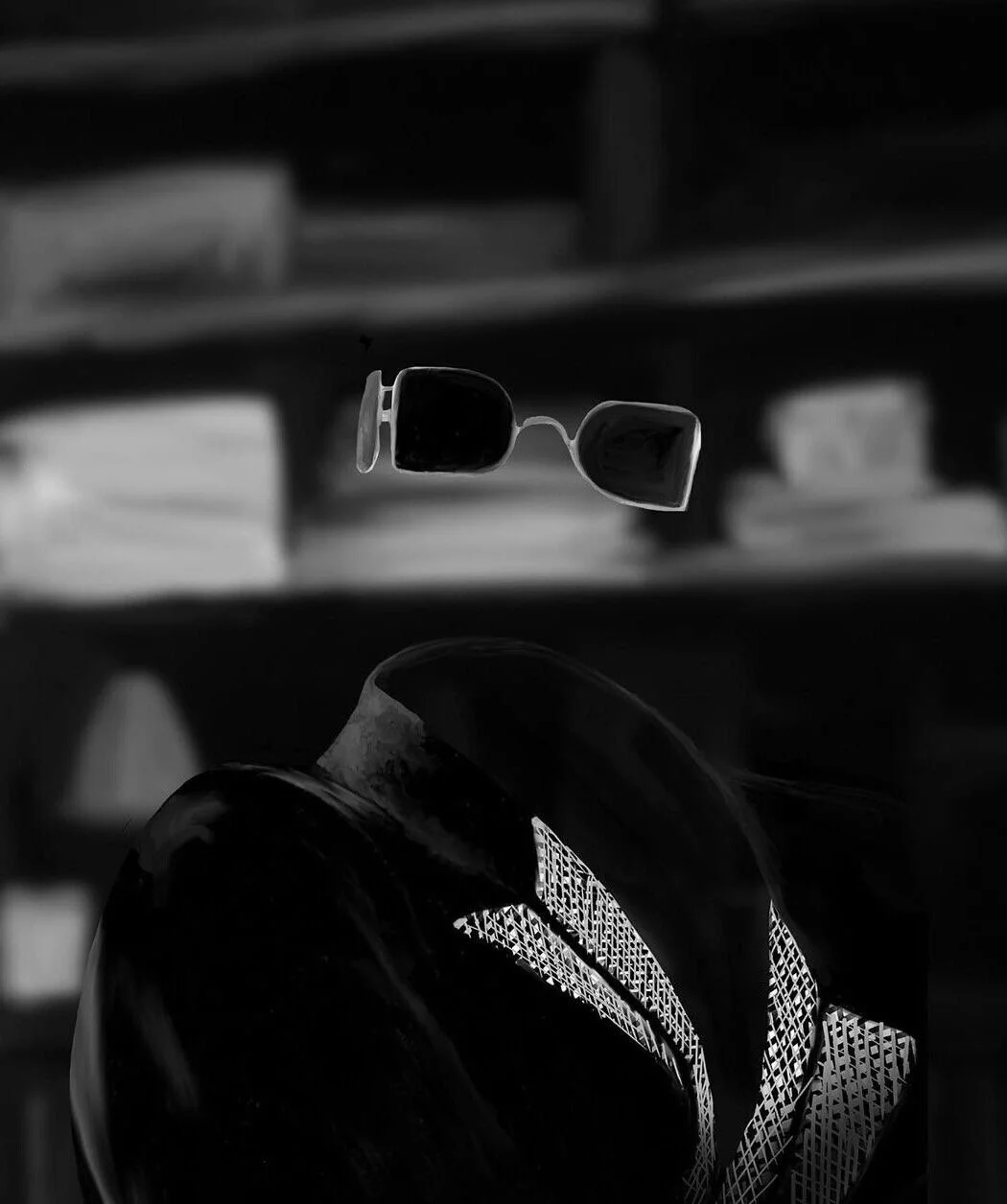
Some people never enter a cultural conversation empty-handed.
They show up with a tone, a little distance, maybe two references casually tucked into their back pocket, and that distinctly metropolitan skill of making it clear they are already one step ahead of whatever is being discussed.
The film, the novel, the campaign, the gallery show, the runway collection — all of it arrives pre-filtered through a certain kind of cool appraisal.
No one is simply taking something in. Everyone is locating themselves in relation to it.
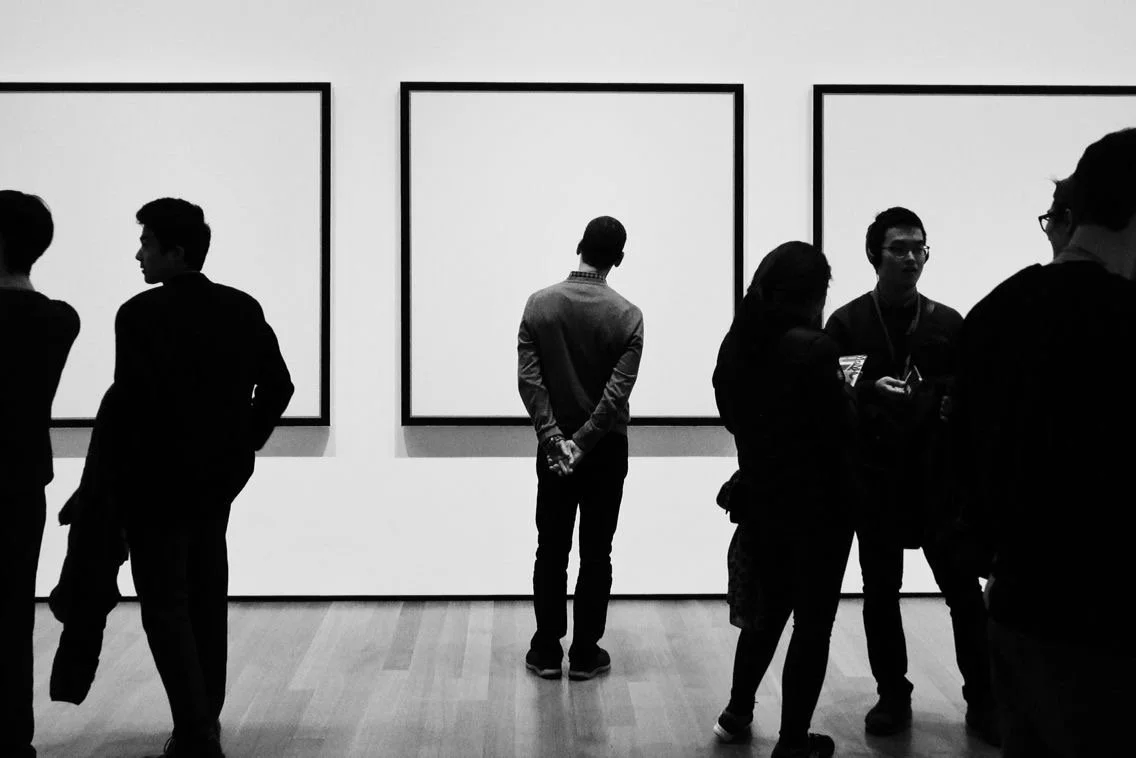
That, maybe, is the real game of intellectual critique: not just making sense of culture, but using culture to signal how you make sense of the world.
The scene is easy to recognize. Someone says they liked something. Not in a gushy way, not with embarrassing sincerity, just plainly. And almost instantly comes the response: “Yeah, it’s interesting.”
It is one of the most versatile words in circulation. It can mean approval, dismissal, mild contempt, or social mercy. It can keep the conversation moving while quietly shutting a door.
Then come the refinements: too literal, too polished, too self-aware, too referential, too eager to say the right thing. Or maybe not sharp enough, not strange enough, not layered enough. By then, the discussion is no longer really about the object. It is about who, in the room, is capable of reading it correctly — or at least appearing to.
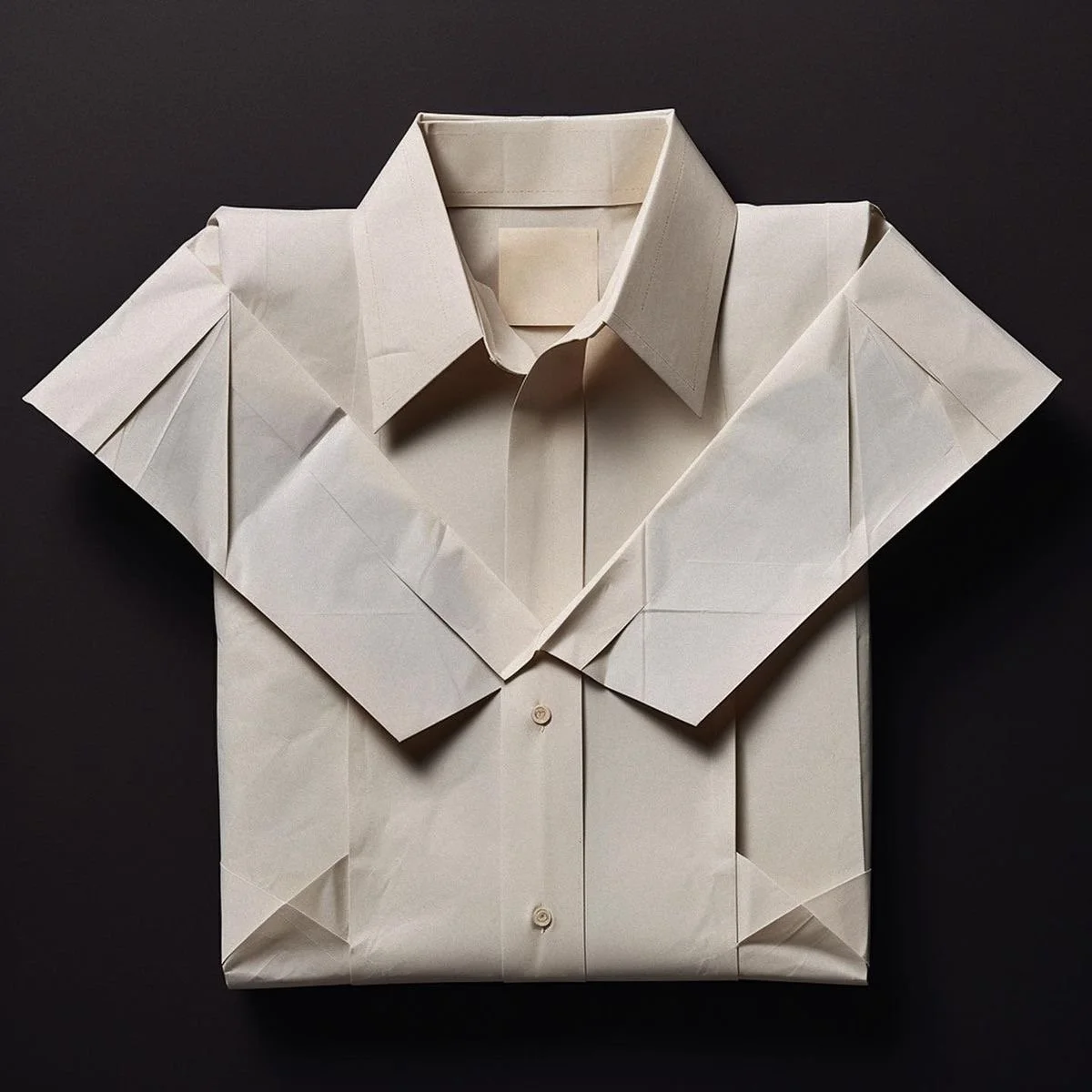
Pierre Bourdieu understood this long before social media turned taste into a daily performance. In Distinction, he argued that taste is never just personal preference. It reflects training, class, habit, and access — what he called cultural capital. To say that something is refined, vulgar, obvious, or overrated is not just to describe the thing itself. It is also to place yourself inside a certain symbolic order. Taste, in that sense, is never innocent. It is social information dressed up as judgment.
Put another way: critique can function like tailoring.
Not loud, not flashy, just precise. A beautifully cut coat. A perfect expression of restraint. A way of saying, without saying, that you know where you are and what everything is worth. In worlds where image, language, and status are constantly tangled together, that kind of criticism travels extremely well.
There is also a deeper habit at work — one that Paul Ricoeur famously described as a “hermeneutics of suspicion.” The instinct is to assume that things are never only what they appear to be. Behind the image, a strategy.
Behind the text, a structure of domination. Behind the campaign, a calculation. This way of reading gave modern criticism much of its force. It helped expose real mechanisms of power and puncture bad faith. But over time it also hardened into a reflex: the idea that the smartest reading is always the one that reveals what is hidden.
As if pleasure were unserious.
As if admiration needed to be interrogated before it could be trusted.
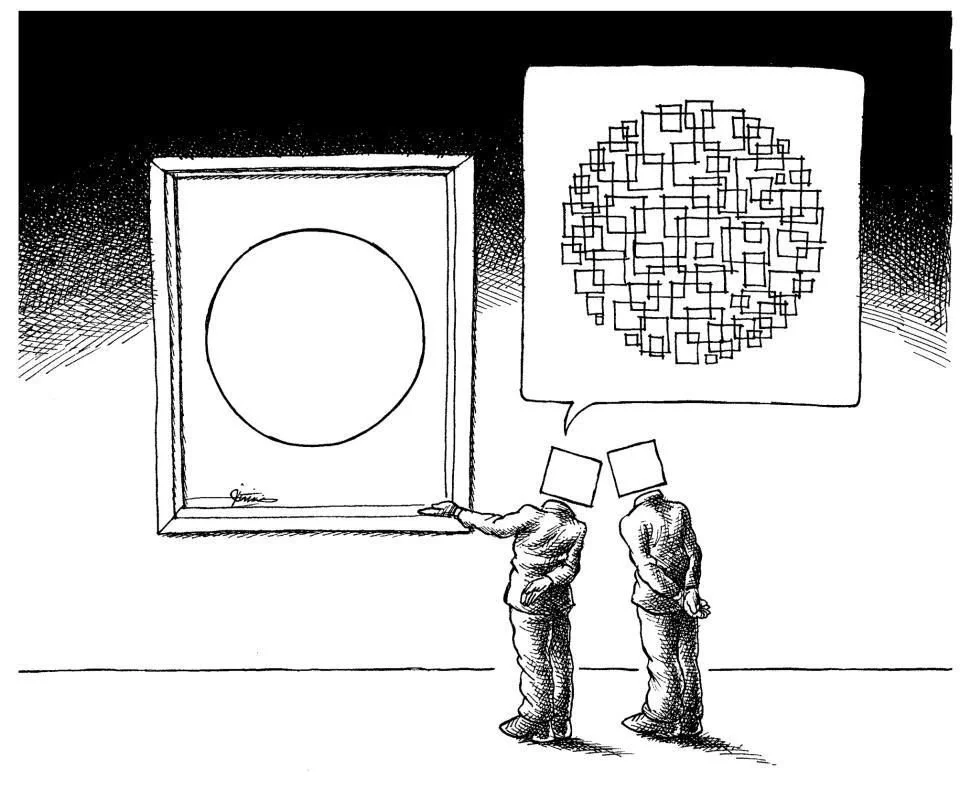
Rita Felski, in The Limits of Critique, writes about this almost as a cultural mood. Critique, for her, is no longer just an academic method but a style of attention — one that values detachment, skepticism, and interpretive control. To be impressed too openly can seem naïve. To love something without immediately qualifying that love can read as unsophisticated. So people learn to stay half a step back. They learn to process their reactions through irony, through caution, through small gestures of intellectual self-protection.
And after a while, that performance starts to look strangely uniform.
The same measured skepticism.
The same elegant withholding.
The same faintly exhausted expression of having seen through it all before.
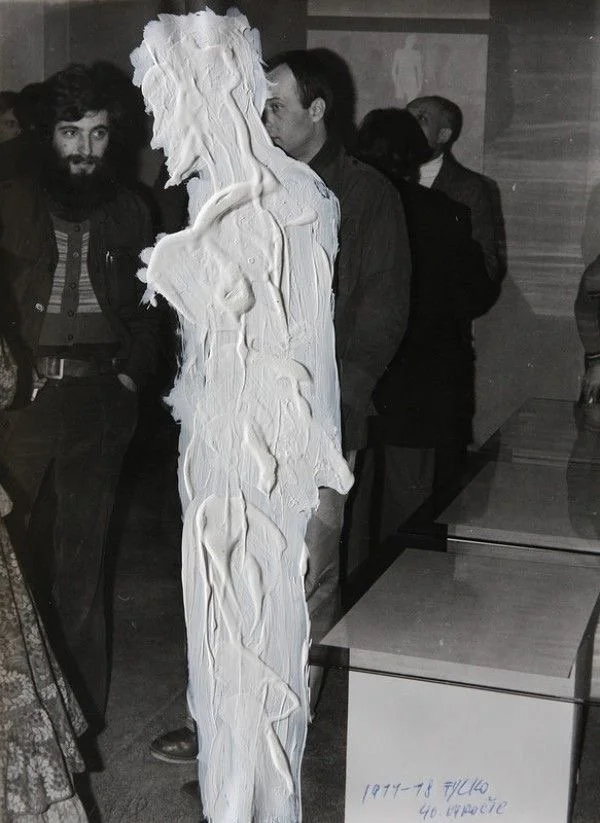
That is where the whole thing becomes a little funny. What presents itself as freedom from convention can start to feel like a convention of its own — a very polished one, obviously, but a convention nonetheless. Stephen Best and Sharon Marcus pushed against this with the idea of surface reading, suggesting that criticism does not always need to pry things open in search of a hidden truth. Sometimes what is visible is already meaningful. Sometimes what is right there deserves more attention than the performance of decoding it.
This is not an argument against seriousness.
It is an argument against reflex.
Against the automatic conversion of every encounter with culture into a miniature unmasking.
And of course social media has supercharged all of this. Sarcasm scales beautifully. So does the quick, glacial takedown. A neatly phrased dismissal can move faster than a careful description ever will. In that environment, critique becomes more than a mode of thought. It becomes a persona. You are not only expressing a judgment; you are demonstrating your settings — your fluency, your level of immunity, your ability to remain unseduced.
The result is that so many things now arrive pre-defended against their own reception.
A campaign is called cynical before anyone has really looked at it.
A novel is labeled overrated before anyone has described what it is doing.
An image is declared opportunistic before anyone has bothered to sit with the effect it produces.
Verdict starts to outrun attention. Analysis replaces encounter.
None of this means critique has lost its value. A culture without criticism would be flat, decorative, easily manipulated.
The point is not to abandon judgment, but to notice what judgment becomes when it turns into atmosphere — when it is no longer a tool we use, but a climate we live in.
Something ambient. Something almost automatic.
And maybe that is the more interesting question now. Not whether critique is good or bad, necessary or excessive, but what happens to a culture when mastery becomes more prized than openness. When the sharpness of the response matters more than the depth of the encounter. When everyone knows how to signal intelligence, but fewer people seem willing to risk being surprised.
The answer is probably not dramatic. It is subtler than that. It lives somewhere between rigor and performance, between genuine discernment and social choreography.
Somewhere in that familiar contemporary space where everyone wants to appear impossible to fool, and many are still, quietly, looking for a way to respond to culture without armoring themselves against it first.