The Quiet Game Of Small Talk

Someone holds the door for you.
You say thank you, they say you’re welcome, you say have a nice day.
It lasts four seconds. You didn’t exchange names, you may never see them again, and yet something happened — a brief, complete recognition, like two stars crossing paths without colliding.
That’s small talk.
Not the hollow pleasantries of networking events. Not the automatic “good, and you?” Something quieter, and more essential: the ability to inhabit a moment with someone else, even for four seconds, even for nothing.
A presence, not a conversation
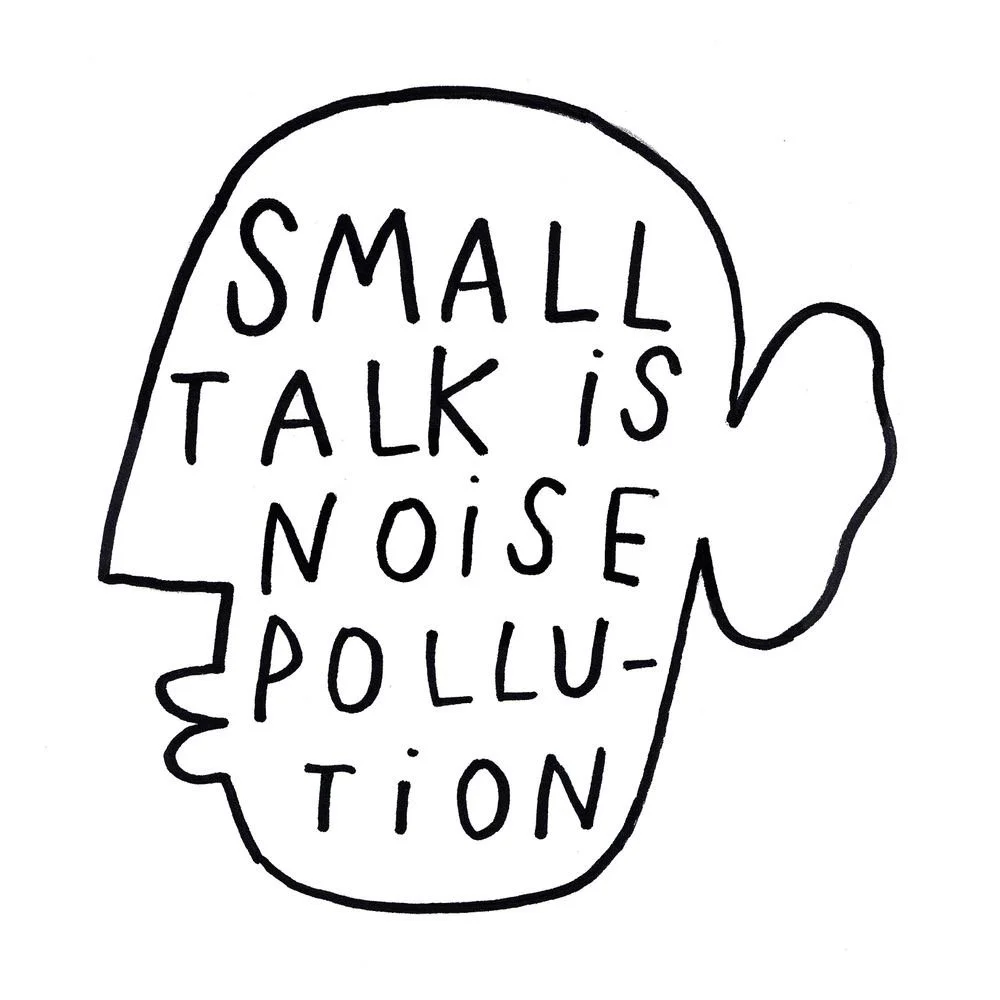
The sociologist Bronisław Malinowski called it phatic communion — exchanges whose function is not to inform, but to signal: I am here, you are here, this moment exists. It’s not communication. It’s co-presence put into words.
And that’s precisely why small talk is anchored in the present. We don’t recount the past, we don’t negotiate the future. We comment on what is there — the rain, the delay, the slightly too-long silence. It’s a form of mindfulness no one thought to patent: being, briefly, somewhere with someone.
Deborah Tannen, a linguist at Georgetown, showed that these seemingly empty exchanges actually carry everything — who is trying to get closer, who is keeping their distance, who needs to be seen that day. The lightness of the content is never the lightness of the stakes.
What happens at work isn’t what we think
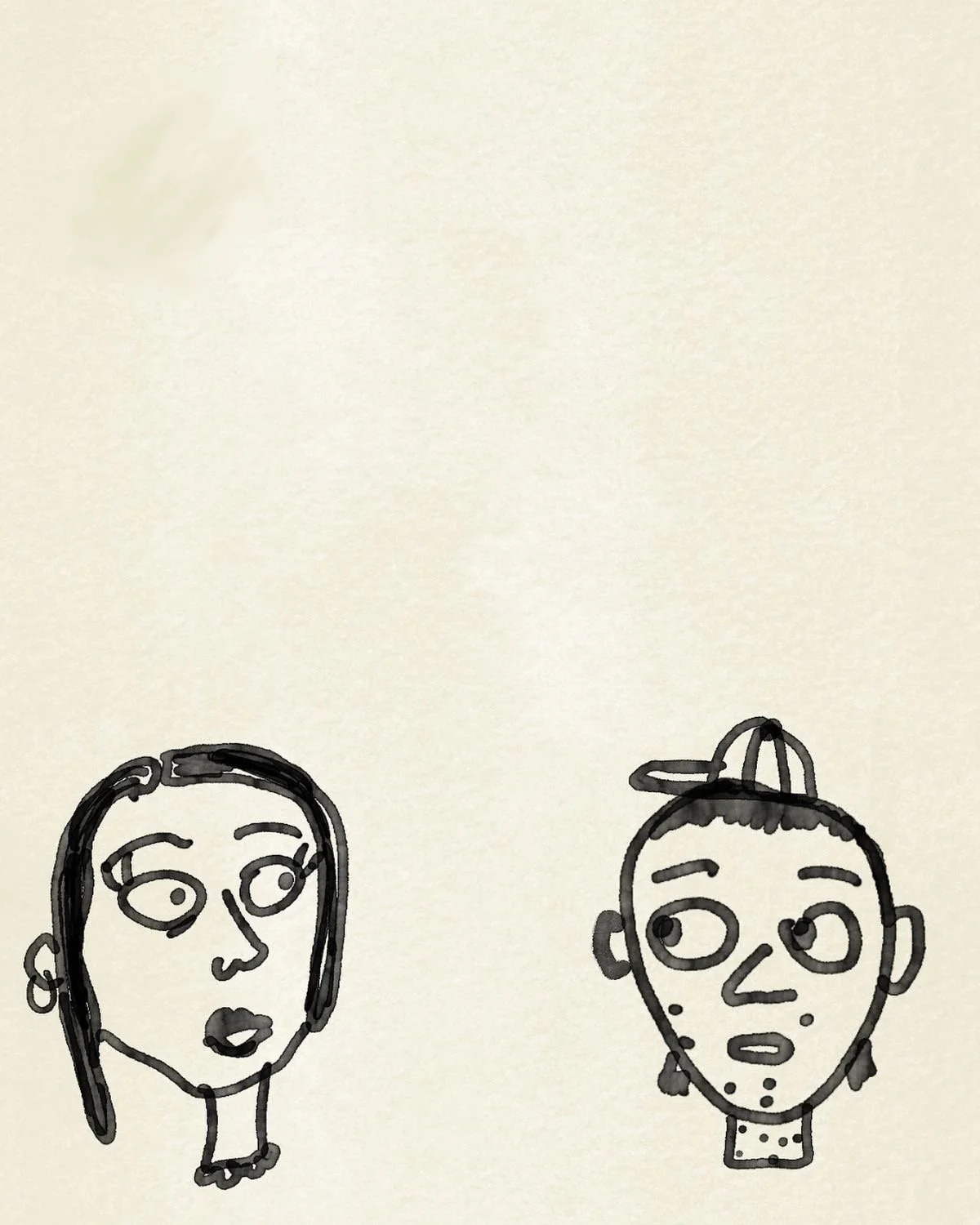
There’s that colleague you never talk to about anything important. Just a quick word in passing, a joke about the project going off the rails, a knowing glance during a meeting. And the day they leave, you realize you miss them in a way you can’t quite name — because it’s not them you miss, it’s the texture of those exchanges, the small thread stretched between you each morning.
Researchers at the University of Iowa have shown that this fabric — made of accumulated nothings — is what determines the feeling of belonging at work, far more than grand declarations about company culture. It’s not what is said. It’s that something is said at all.
There is a darker side*.
In open-plan offices where returning to the workplace is tense, small talk can become disguised surveillance — you look well today as subtext, it seems like you’re doing better as verdict. The same words, the same apparent lightness, but something twisted underneath.

On apps, rhythm matters more than content
What distinguishes conversations that go somewhere on Tinder or Hinge from those that don’t is never the content.
No one falls in love with a well-crafted opening line. What draws people in is the sense that the other person is there — responsiveness, timing, the way they build on what you just said instead of running their own monologue.
Sherry Turkle at MIT has documented this: we communicate more than ever, but inhabit our conversations less and less. Genuine small talk becomes almost an act of resistance — insisting on being present rather than merely performing presence.
The sentence you say without knowing it helps

In palliative care units, caregivers learn something counterintuitive: patients don’t always want to talk about what’s happening. They want to be asked if they watched the game, if they slept well, if the meal tray was any good.
Not to avoid the truth — but to remain in the world, the one where ordinary things still happen.
In those moments, small talk doesn’t fill the silence. It moves through it. It says: you are still here, the world is too, and so am I.
Adam Grant calls these micro-moments of connection — instants so brief we don’t remember them, but which, accumulated, form the fabric of trust between people. You don’t build something with someone through one big conversation a year.
You build it by remaining, even for a few seconds, in the same present as them.
In a world that pushes us to plan everything, optimize everything, archive everything, there is something almost radical about exchanges that leave no trace.
They exist only for the time they happen. That may be exactly why they matter.
Someone holds the door for you. You say thank you.
That’s enough.