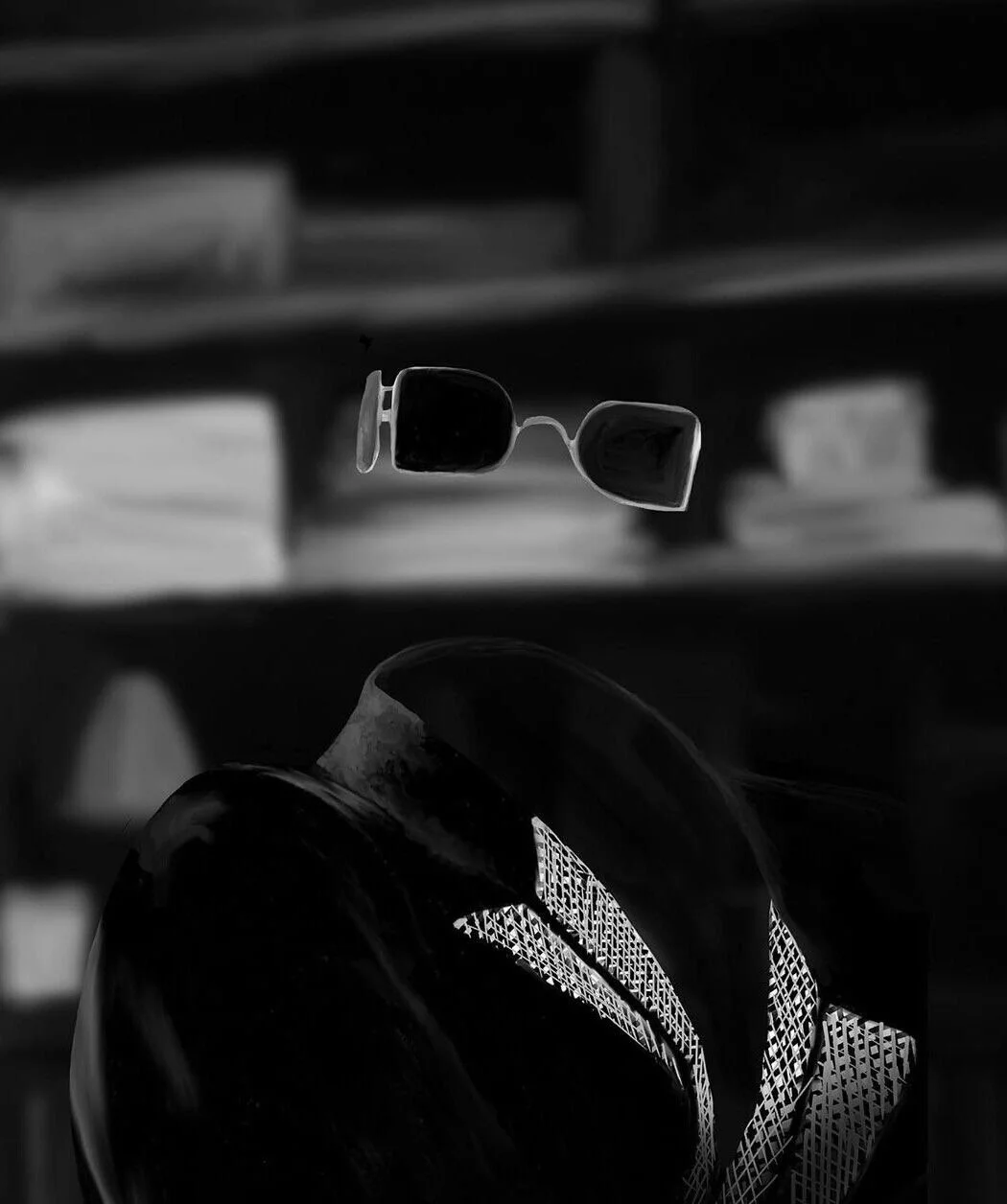
Le Jeu De La Critique Intellectuelle.
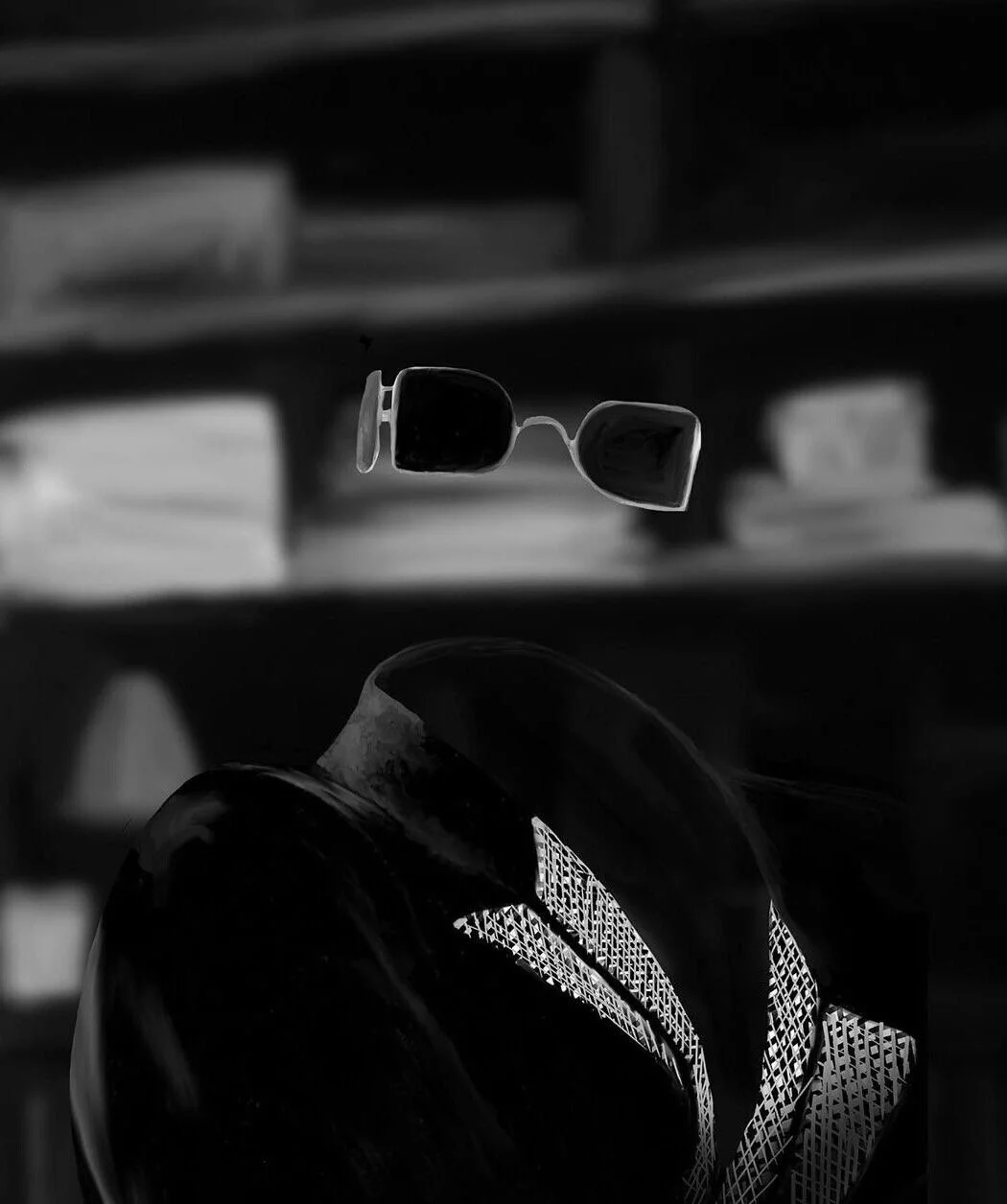
Il y a des gens qui n’entrent jamais dans une conversation culturelle les mains vides. Ils arrivent avec un ton, une distance, deux ou trois références prêtes à sortir, et cette manière très contemporaine de faire sentir qu’ils ont déjà un peu dépassé l’objet dont on parle.
Le film, le livre, la campagne, l’expo, le défilé : tout est accueilli avec une légère avance sur la chose elle-même.
On ne découvre pas vraiment, on évalue.
On ne regarde pas, on se place.
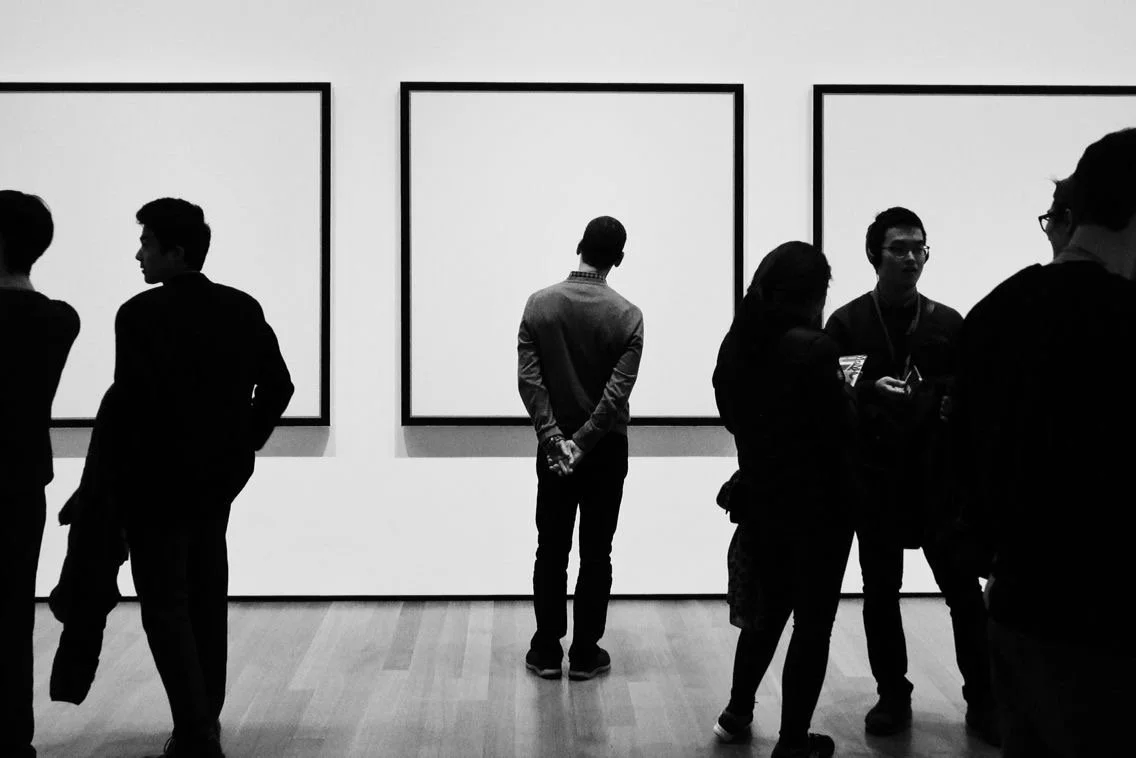
C’est peut-être ça, le vrai jeu de la critique intellectuelle, moins une recherche de vérité qu’une façon élégante d’occuper la pièce.
La scène est familière. Quelqu’un dit qu’il a aimé quelque chose. Pas avec naïveté, pas avec excès, juste avec un peu de plaisir. Et très vite, arrive cette réponse qu’on connaît tous : “Oui, c’est intéressant…”
Le mot est superbe, parce qu’il peut tout faire à la fois. Il peut approuver poliment, refroidir subtilement, ou assassiner sans faire de bruit. Ensuite viennent les couches : trop littéral, trop référencé, trop propre, trop démonstratif, trop conscient de lui-même. Ou alors l’inverse : pas assez construit, pas assez subtil, pas assez second degré.
À ce moment-là, on ne parle déjà plus seulement de l’objet. On parle du niveau de lecture auquel chacun veut être vu.

Pierre Bourdieu l’avait très bien montré dans La Distinction : le goût n’est jamais complètement spontané. Il dit quelque chose de notre apprentissage social, de nos habitudes, de notre capital culturel, de ce qu’on a appris à trouver noble, vulgaire, fin ou excessif. Quand quelqu’un juge une œuvre, il ne donne pas seulement un avis ; il donne aussi un indice sur la place qu’il occupe — ou qu’il aimerait occuper — dans l’ordre symbolique.
Dit autrement : la critique peut devenir un accessoire de silhouette.
Pas quelque chose de voyant. Quelque chose de plus fin. Comme une veste parfaite ou une manière impeccable de lever un sourcil au bon moment. Une façon de signaler qu’on maîtrise les codes sans avoir besoin de l’annoncer. Et c’est probablement pour cela qu’elle circule si bien dans les mondes où l’image, la parole et le statut se croisent sans cesse.
À cela s’ajoute un vieux réflexe moderne : le soupçon. Paul Ricoeur parlait d’“herméneutique du soupçon” pour décrire cette tendance à lire derrière les choses. Derrière une image, une stratégie.
Derrière un texte, une domination.
Derrière une campagne, un calcul.
Ce réflexe a eu sa grandeur : il a permis de dévoiler des mécanismes réels, de démonter des récits trompeurs, d’éviter beaucoup de naïveté. Mais à force, il a aussi installé une petite habitude mentale : celle qui consiste à croire qu’une lecture n’est sérieuse que si elle démasque quelque chose.
Comme si admirer trop vite était forcément suspect.
Comme si le plaisir devait passer un contrôle de sécurité.
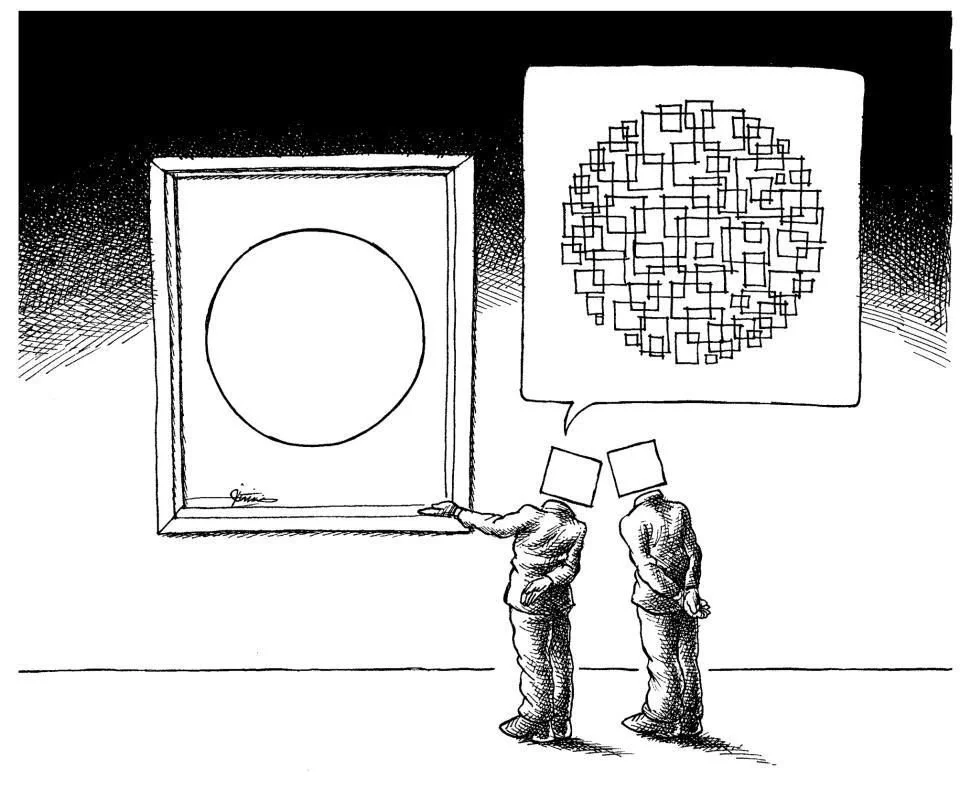
Rita Felski, dans The Limits of Critique, décrit très bien cette fatigue. La critique, chez elle, n’est plus seulement une méthode : c’est devenu une ambiance. Une manière de montrer qu’on garde ses distances, qu’on ne se laisse pas attraper trop facilement, qu’on ne confond pas émotion et intelligence. Le problème, c’est qu’à force de vouloir paraître lucides, beaucoup finissent surtout par se ressembler.
Même prudence valorisée.
Même grimace élégante.
Même manière de tout regarder comme si l’on passait un oral.
Et c’est là que le jeu devient presque drôle. Parce que ce qui se présente comme une preuve de liberté critique finit parfois par produire son propre uniforme. Une conformité très sophistiquée, très bien coiffée, très bien formulée. Stephen Best et Sharon Marcus l’ont d’ailleurs noté avec l’idée de surface reading : à force de chercher toujours ce qui se cache derrière, on oublie parfois de regarder ce qui est devant.
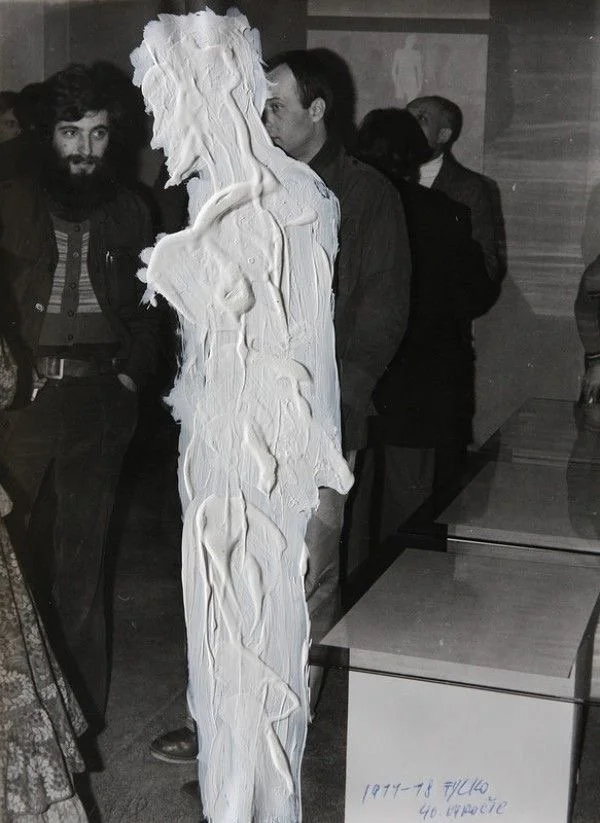
Ce n’est pas un appel à devenir naïf.
C’est juste une proposition presque scandaleuse aujourd’hui : décrire avant de condamner. Observer avant de soupçonner. Laisser à une image, à un texte, à une idée, la possibilité d’exister quelques secondes avant son procès.
Les réseaux sociaux ont évidemment donné à tout cela un terrain parfait. Le sarcasme y voyage très bien. La petite phrase aussi. Le démontage chic, rapide, légèrement glacé, fonctionne à merveille dans un espace où l’attention est courte et où la personnalité passe aussi par le style du jugement. La critique devient alors non seulement une opinion, mais une performance.
Et c’est peut-être là que le sujet devient vraiment intéressant — le vrai “intéressant”, pas celui qui sert à congeler la pièce. Non pas dans le choix entre plaisir et lucidité, entre adhésion et distance, mais dans cette question plus simple : qu’est-ce qu’une culture produit, quand elle commence à préférer le réflexe de maîtrise au plaisir de la découverte ?
La réponse reste ouverte.
Elle flotte quelque part entre élégance et fatigue, entre exigence et pose, dans cet espace très contemporain où tout le monde veut garder du recul — mais où beaucoup cherchent encore, malgré tout, une manière sincère de regarder.
The Game of Intellectual Critique.
Some people never enter a cultural conversation empty-handed.
They show up with a tone, a little distance, maybe two references casually tucked into their back pocket, and that distinctly metropolitan skill of making it clear they are already one step ahead of whatever is being discussed.
The film, the novel, the campaign, the gallery show, the runway collection — all of it arrives pre-filtered through a certain kind of cool appraisal.
No one is simply taking something in. Everyone is locating themselves in relation to it.
That, maybe, is the real game of intellectual critique: not just making sense of culture, but using culture to signal how you make sense of the world.
The scene is easy to recognize. Someone says they liked something. Not in a gushy way, not with embarrassing sincerity, just plainly. And almost instantly comes the response: “Yeah, it’s interesting.”
It is one of the most versatile words in circulation. It can mean approval, dismissal, mild contempt, or social mercy. It can keep the conversation moving while quietly shutting a door.
Then come the refinements: too literal, too polished, too self-aware, too referential, too eager to say the right thing. Or maybe not sharp enough, not strange enough, not layered enough. By then, the discussion is no longer really about the object. It is about who, in the room, is capable of reading it correctly — or at least appearing to.
Pierre Bourdieu understood this long before social media turned taste into a daily performance. In Distinction, he argued that taste is never just personal preference. It reflects training, class, habit, and access — what he called cultural capital. To say that something is refined, vulgar, obvious, or overrated is not just to describe the thing itself. It is also to place yourself inside a certain symbolic order. Taste, in that sense, is never innocent. It is social information dressed up as judgment.
Put another way: critique can function like tailoring.
Not loud, not flashy, just precise. A beautifully cut coat. A perfect expression of restraint. A way of saying, without saying, that you know where you are and what everything is worth. In worlds where image, language, and status are constantly tangled together, that kind of criticism travels extremely well.
There is also a deeper habit at work — one that Paul Ricoeur famously described as a “hermeneutics of suspicion.” The instinct is to assume that things are never only what they appear to be. Behind the image, a strategy.
Behind the text, a structure of domination. Behind the campaign, a calculation. This way of reading gave modern criticism much of its force. It helped expose real mechanisms of power and puncture bad faith. But over time it also hardened into a reflex: the idea that the smartest reading is always the one that reveals what is hidden.
As if pleasure were unserious.
As if admiration needed to be interrogated before it could be trusted.
Rita Felski, in The Limits of Critique, writes about this almost as a cultural mood. Critique, for her, is no longer just an academic method but a style of attention — one that values detachment, skepticism, and interpretive control. To be impressed too openly can seem naïve. To love something without immediately qualifying that love can read as unsophisticated. So people learn to stay half a step back. They learn to process their reactions through irony, through caution, through small gestures of intellectual self-protection.
And after a while, that performance starts to look strangely uniform.
The same measured skepticism.
The same elegant withholding.
The same faintly exhausted expression of having seen through it all before.
That is where the whole thing becomes a little funny. What presents itself as freedom from convention can start to feel like a convention of its own — a very polished one, obviously, but a convention nonetheless. Stephen Best and Sharon Marcus pushed against this with the idea of surface reading, suggesting that criticism does not always need to pry things open in search of a hidden truth. Sometimes what is visible is already meaningful. Sometimes what is right there deserves more attention than the performance of decoding it.
This is not an argument against seriousness.
It is an argument against reflex.
Against the automatic conversion of every encounter with culture into a miniature unmasking.
And of course social media has supercharged all of this. Sarcasm scales beautifully. So does the quick, glacial takedown. A neatly phrased dismissal can move faster than a careful description ever will. In that environment, critique becomes more than a mode of thought. It becomes a persona. You are not only expressing a judgment; you are demonstrating your settings — your fluency, your level of immunity, your ability to remain unseduced.
The result is that so many things now arrive pre-defended against their own reception.
A campaign is called cynical before anyone has really looked at it.
A novel is labeled overrated before anyone has described what it is doing.
An image is declared opportunistic before anyone has bothered to sit with the effect it produces.
Verdict starts to outrun attention. Analysis replaces encounter.
None of this means critique has lost its value. A culture without criticism would be flat, decorative, easily manipulated.
The point is not to abandon judgment, but to notice what judgment becomes when it turns into atmosphere — when it is no longer a tool we use, but a climate we live in.
Something ambient. Something almost automatic.
And maybe that is the more interesting question now. Not whether critique is good or bad, necessary or excessive, but what happens to a culture when mastery becomes more prized than openness. When the sharpness of the response matters more than the depth of the encounter. When everyone knows how to signal intelligence, but fewer people seem willing to risk being surprised.
The answer is probably not dramatic. It is subtler than that. It lives somewhere between rigor and performance, between genuine discernment and social choreography.
Somewhere in that familiar contemporary space where everyone wants to appear impossible to fool, and many are still, quietly, looking for a way to respond to culture without armoring themselves against it first.

The Quiet Game Of Small Talk

Someone holds the door for you.
You say thank you, they say you’re welcome, you say have a nice day.
It lasts four seconds. You didn’t exchange names, you may never see them again, and yet something happened — a brief, complete recognition, like two stars crossing paths without colliding.
That’s small talk.
Not the hollow pleasantries of networking events. Not the automatic “good, and you?” Something quieter, and more essential: the ability to inhabit a moment with someone else, even for four seconds, even for nothing.
A presence, not a conversation
The sociologist Bronisław Malinowski called it phatic communion — exchanges whose function is not to inform, but to signal: I am here, you are here, this moment exists. It’s not communication. It’s co-presence put into words.
And that’s precisely why small talk is anchored in the present. We don’t recount the past, we don’t negotiate the future. We comment on what is there — the rain, the delay, the slightly too-long silence. It’s a form of mindfulness no one thought to patent: being, briefly, somewhere with someone.
Deborah Tannen, a linguist at Georgetown, showed that these seemingly empty exchanges actually carry everything — who is trying to get closer, who is keeping their distance, who needs to be seen that day. The lightness of the content is never the lightness of the stakes.
What happens at work isn’t what we think
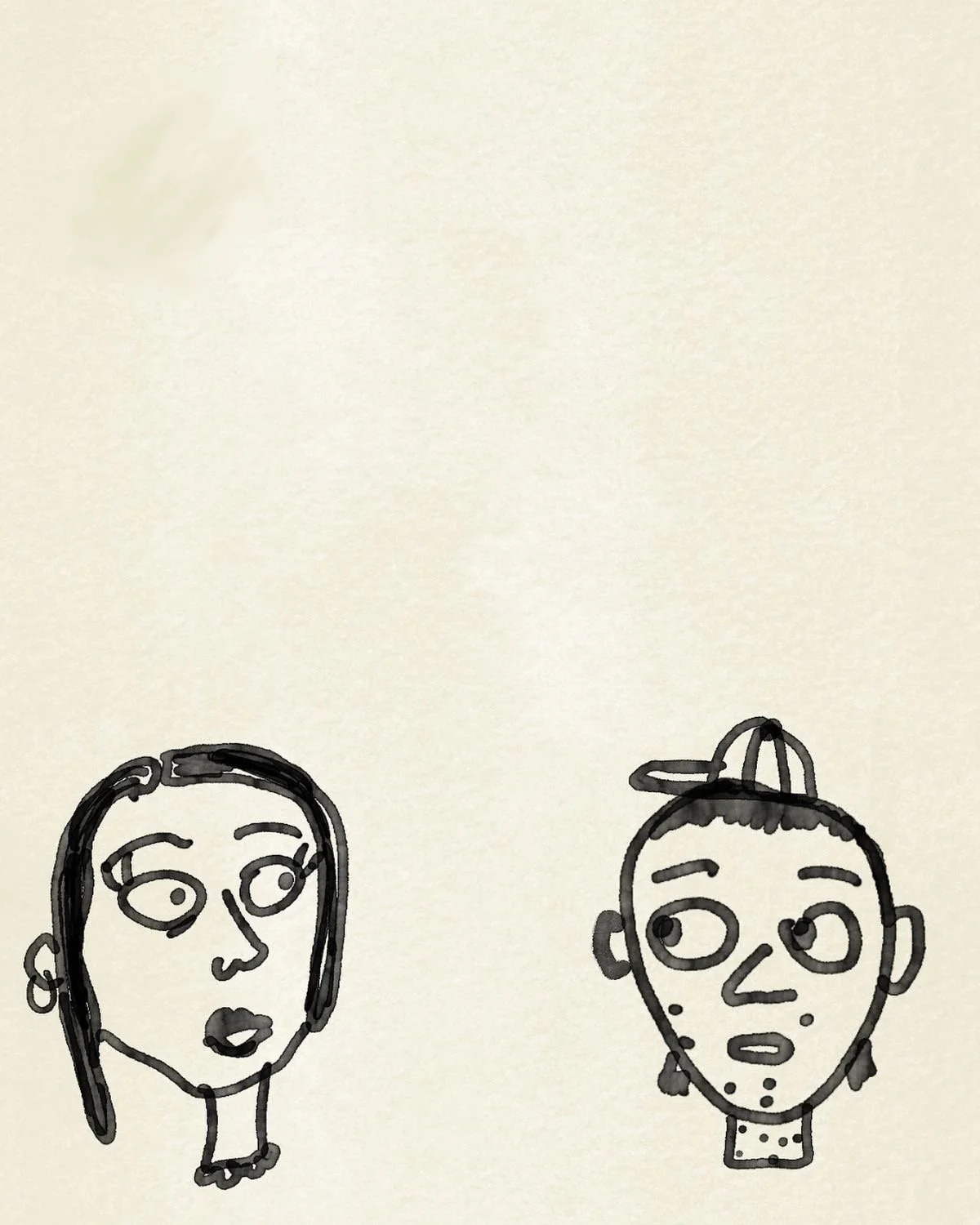
There’s that colleague you never talk to about anything important. Just a quick word in passing, a joke about the project going off the rails, a knowing glance during a meeting. And the day they leave, you realize you miss them in a way you can’t quite name — because it’s not them you miss, it’s the texture of those exchanges, the small thread stretched between you each morning.
Researchers at the University of Iowa have shown that this fabric — made of accumulated nothings — is what determines the feeling of belonging at work, far more than grand declarations about company culture. It’s not what is said. It’s that something is said at all.
There is a darker side*.
In open-plan offices where returning to the workplace is tense, small talk can become disguised surveillance — you look well today as subtext, it seems like you’re doing better as verdict. The same words, the same apparent lightness, but something twisted underneath.
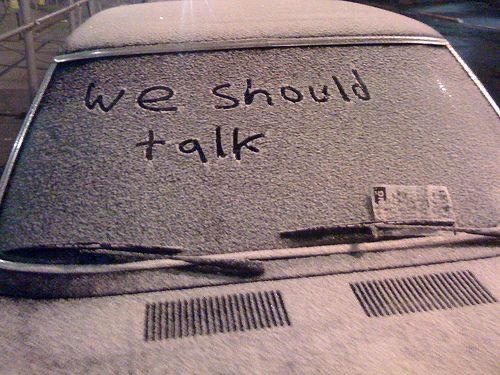
On apps, rhythm matters more than content
What distinguishes conversations that go somewhere on Tinder or Hinge from those that don’t is never the content.
No one falls in love with a well-crafted opening line. What draws people in is the sense that the other person is there — responsiveness, timing, the way they build on what you just said instead of running their own monologue.
Sherry Turkle at MIT has documented this: we communicate more than ever, but inhabit our conversations less and less. Genuine small talk becomes almost an act of resistance — insisting on being present rather than merely performing presence.
The sentence you say without knowing it helps

In palliative care units, caregivers learn something counterintuitive: patients don’t always want to talk about what’s happening. They want to be asked if they watched the game, if they slept well, if the meal tray was any good.
Not to avoid the truth — but to remain in the world, the one where ordinary things still happen.
In those moments, small talk doesn’t fill the silence. It moves through it. It says: you are still here, the world is too, and so am I.
Adam Grant calls these micro-moments of connection — instants so brief we don’t remember them, but which, accumulated, form the fabric of trust between people. You don’t build something with someone through one big conversation a year.
You build it by remaining, even for a few seconds, in the same present as them.
In a world that pushes us to plan everything, optimize everything, archive everything, there is something almost radical about exchanges that leave no trace.
They exist only for the time they happen. That may be exactly why they matter.
Someone holds the door for you. You say thank you.
That’s enough.

Le Jeu De La Conversation Légère.

Quelqu’un vous tient la porte.
Vous dites merci, il dit de rien, vous dites bonne journée.
Ça dure quatre secondes.
Vous n’avez pas échangé son prénom, vous ne le reverrez peut-être jamais, et pourtant quelque chose s’est passé — une reconnaissance mutuelle, brève et complète, comme deux étoiles qui se croisent sans se percuter.
C’est ça, le small talk. Pas les mondanités creuses des soirées réseau.
Pas les “super, et toi ?” automatiques.
Quelque chose de plus discret et de plus essentiel : la capacité à habiter un moment avec un autre, même pour quatre secondes, même pour rien.
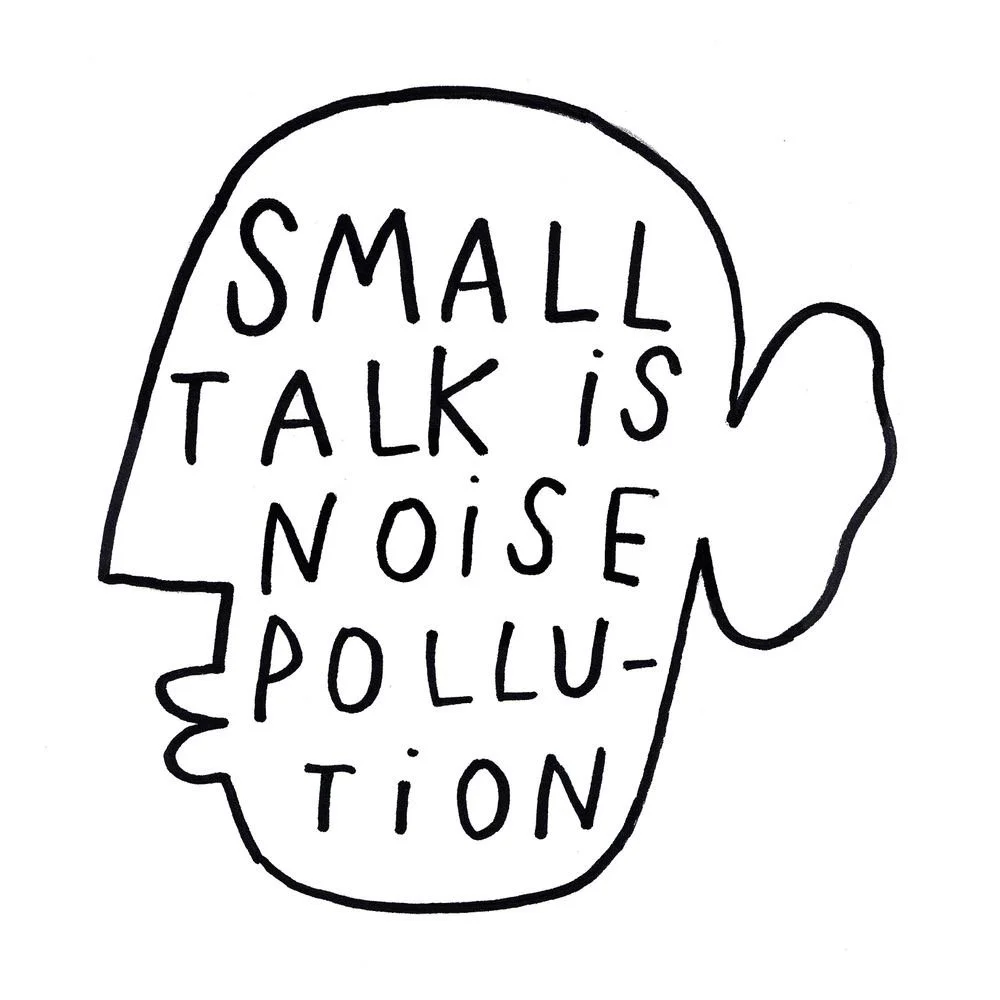
Le sociologue Bronisław Malinowski appelait ça la communion phatique — des échanges dont la fonction n’est pas d’informer, mais de signifier : je suis là, tu es là, ce moment existe. Ce n’est pas de la communication.
C’est de la coprésence mise en mots.
Et c’est précisément pour ça que le small talk est ancré dans l’instant. On commente ce qui est là — la pluie, le retard, le silence un peu trop long. C’est une forme de pleine conscience que personne n’a pensé à breveter : être, brièvement, quelque part avec quelqu’un.
Deborah Tannen, linguiste à Georgetown, a montré que ces échanges apparemment vides véhiculent en réalité tout — qui cherche à se rapprocher, qui maintient une distance, qui a besoin d’être vu ce jour-là. La légèreté du contenu n’est jamais la légèreté de l’enjeu.
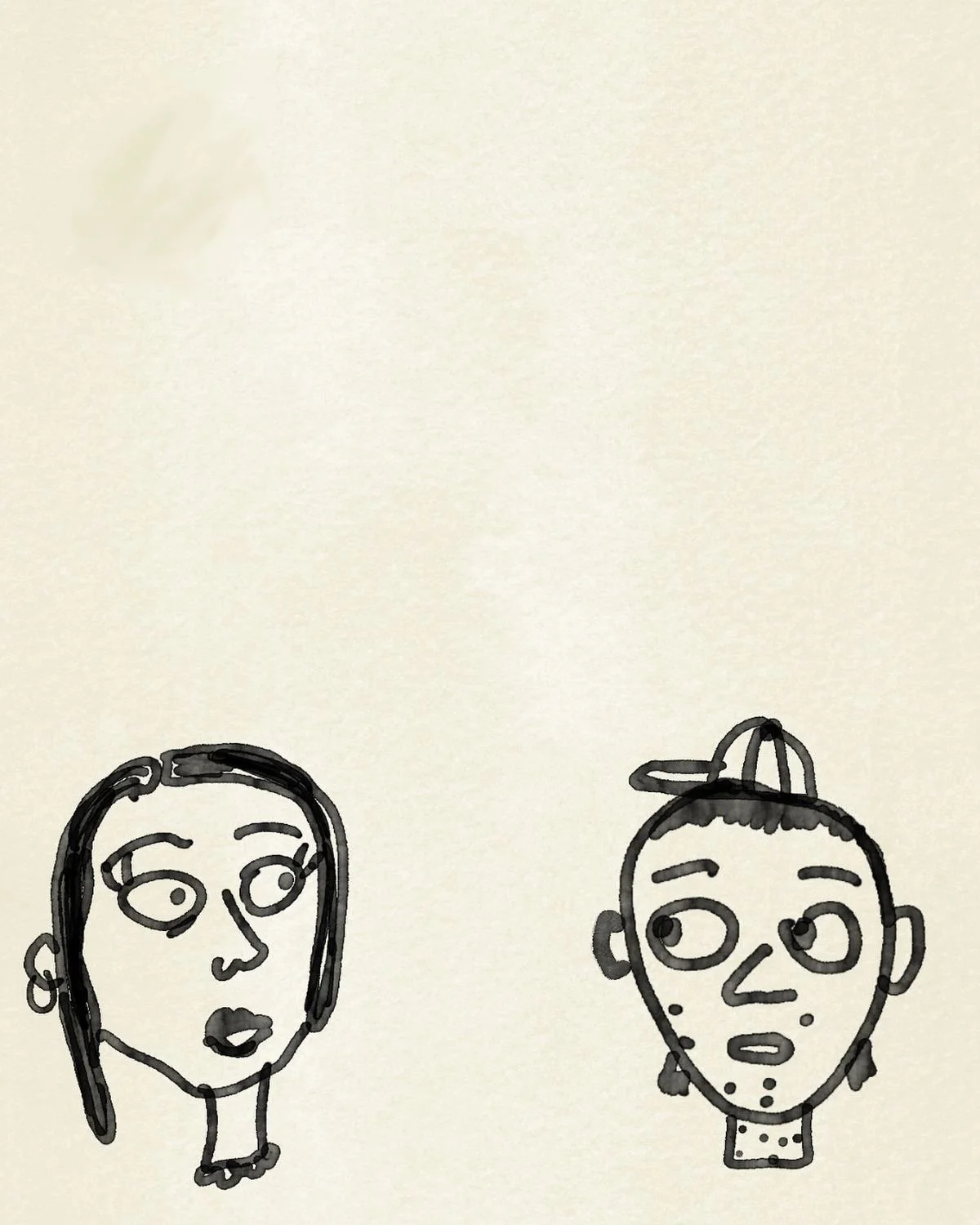
Il y a aussi ce collègue avec qui vous ne parlez jamais de rien d’important. Juste un mot en passant, une blague sur le projet qui dérape, un regard complice pendant la réunion.
Et le jour où il part, vous réalisez qu’il vous manque d’une façon que vous n’arrivez pas à nommer — parce que ce n’est pas lui qui manque, c’est la texture de ces échanges, le petit filet tendu entre vous deux chaque matin.
Des chercheurs de l’Université de l’Iowa ont montré que ce tissu-là — fait de riens accumulés — est ce qui détermine le sentiment d’appartenance au travail, bien plus que les grandes déclarations de culture d’entreprise. Ce n’est pas ce qu’on dit. C’est qu’on choisisse de dire quelque chose.
Le revers existe*.
Dans les open spaces où le retour au bureau est tendu, le small talk peut devenir surveillance déguisée — tu as bonne mine aujourd’hui comme sous-entendu, on dirait que ça va mieux comme verdict.
Les mêmes mots, la même légèreté apparente, mais quelque chose de tordu dedans.
Ce qui distingue les échanges qui aboutissent des autres sur Tinder ou Hinge, ce n’est jamais le contenu. Personne ne tombe amoureux d’une ouverture bien tournée. Ce qui accroche, c’est la sensation que l’autre est là — la réactivité, le tempo, la façon dont il rebondit sur ce que vous venez de dire plutôt que de dérouler son propre monologue.
Sherry Turkle du MIT l’a documenté : on communique plus que jamais, mais on habite de moins en moins nos conversations.
Le small talk sincère est presque un acte de résistance — l’insistance à être présent plutôt que de simplement performer la présence.
Dans les unités de soins palliatifs, les soignants apprennent quelque chose de contre-intuitif : les patients ne veulent pas toujours parler de ce qui se passe. Ils veulent qu’on leur demande s’ils ont vu le match, si la nuit a été bonne, si le plateau était mangeable.
Pas pour esquiver — pour rester dans le monde, celui où il se passe encore des choses ordinaires.
Le small talk dans ces moments-là ne meuble pas le silence. Il le traverse.
Il dit : tu es encore là, le monde aussi, et moi avec.
Adam Grant appelle ça les micro-moments de connexion — des instants si brefs qu’on ne les mémorise pas, mais qui, accumulés, constituent le tissu de la confiance entre les gens.
On ne construit pas quelque chose avec quelqu’un en ayant une grande conversation une fois par an. On le construit en restant, même quelques secondes, dans le même présent que lui.
Dans un monde qui pousse à tout planifier, tout optimiser, tout archiver, il y a quelque chose de presque radical dans ces échanges qui ne laissent aucune trace. Ils n’existent que le temps où ils se passent.
C’est peut-être exactement pour ça qu’ils comptent.
Quelqu’un vous tient la porte. Vous dites merci.
C’est assez.
Références : Bronisław Malinowski (1923) ; Deborah Tannen, You Just Don’t Understand (1990) ; Sherry Turkle, Alone Together (2011) ; Adam Grant, Give and Take (2013).

The Cool Absolu-te.

You say something true. Something you actually know. And what comes back is a silence — not hostile, not warm just long enough to make you wonder if you’ve said something embarrassing.
There’s no rebuttal. No raised eyebrow. Just a particular quality of stillness that manages, somehow, to suggest that whatever you just offered wasn’t quite worth the energy of a response. You recalibrate. You try again. You reach, slightly, for something more impressive — a better reference, a sharper observation, a story with more weight. The face stays even. You’re working, and you both know it, and only one of you seems to find that interesting.
This is the game of absolute cool. Not aggression — aggression is easy to name and easier to leave. This is something more refined: the deliberate maintenance of a temperature so controlled that it makes everyone else in the room feel faintly underdressed.
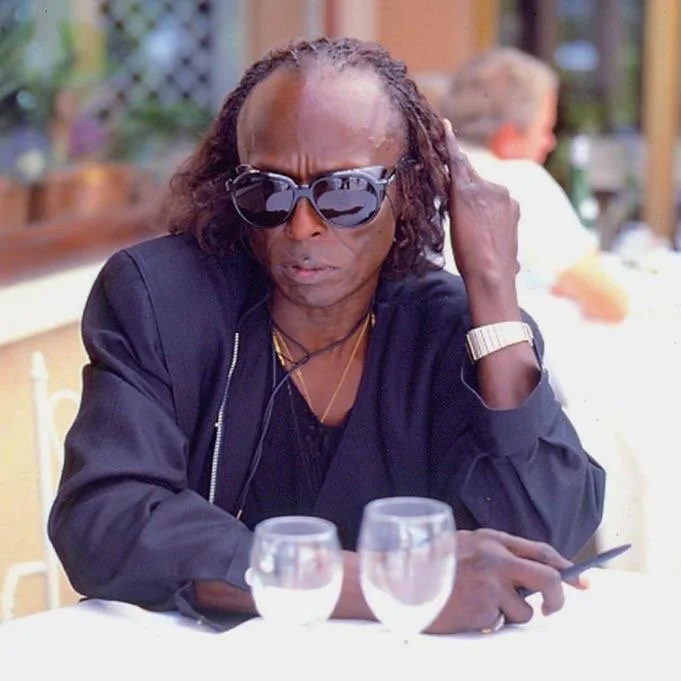
@MilesDavis
The cultural history of cool is worth knowing here, because it reframes the game entirely. In the jazz clubs of Harlem in the 1940s — in a world where Black men were systematically denied dignity, where expressing emotion in the wrong context could turn dangerous — composure was not affectation. It was armour.
To remain unmoved in the face of provocation was an act of sovereignty.
Cool, in its original form, was a radical refusal to give the world the reaction it was trying to extract.
Joel Dinerstein, The Origins of Cool in Postwar America, University of Chicago Press
What we inherited from that history is the aesthetic without the stakes. The posture without the necessity. Cool detached from its origins becomes something else entirely: a social hierarchy disguised as a personality trait. The person who is never impressed isn’t describing their inner state.
They’re making a claim about their position. And they’re making it, crucially, in a way that cannot be challenged — because to challenge someone’s emotional temperature is to look like exactly the kind of person who cares too much.
The trap is structural. Reacting confirms you’re affected. Not reacting validates the hierarchy. There is no clean exit from inside the dynamic — which is precisely why it works so well, and why it tends to persist in creative industries where appearing unbothered has been quietly elevated into a form of professional credibility.
The exit, when you find it, is not dramatic. It’s just the decision to stop auditioning. To say what you think without waiting for it to land. To let the silence be his problem.
Put him across from someone who genuinely doesn’t need his approval — someone with no interest in moving that face.
Two seconds. Watch.

Le Jeu Du Cool Absolu.
Tu dis quelque chose de vrai. Quelque chose que tu sais. Et ce qui revient c’est un silence — pas hostile, pas chaleureux — juste assez long pour te faire douter de toi-même.
Pas de contradiction. Pas de sourcil levé. Juste une qualité particulière d’immobilité qui suggère, d’une façon ou d’une autre, que ce que tu viens de proposer ne valait pas vraiment l’énergie d’une réponse. Tu te recalibres. Tu réessaies. Tu tends, légèrement, vers quelque chose de plus impressionnant, une référence plus pointue, une observation plus nette, une histoire avec plus de poids. Le visage reste égal. Tu travailles, vous le savez tous les deux, et un seul d’entre vous semble trouver ça intéressant.
C’est ça le jeu du cool absolu. Pas l’agression , l’agression est facile à nommer et plus facile encore à quitter. C’est quelque chose de plus raffiné : le maintien délibéré d’une température tellement contrôlée qu’elle donne à tout le monde dans la pièce l’impression d’être vaguement mal habillé.
L’histoire culturelle du cool mérite d’être connue ici, parce qu’elle recadre entièrement le jeu. Dans les clubs de jazz de Harlem dans les années 1940 — dans un monde où la dignité des hommes noirs était systématiquement niée, où exprimer une émotion dans le mauvais contexte pouvait devenir dangereux — garder son calme n’était pas de l’affectation.
C’était une armure. Rester impassible face à la provocation était un acte de souveraineté. Le cool, dans sa forme originale, était un refus radical de donner au monde la réaction qu’il cherchait à extraire.
Joel Dinerstein, The Origins of Cool in Postwar America, University of Chicago Press
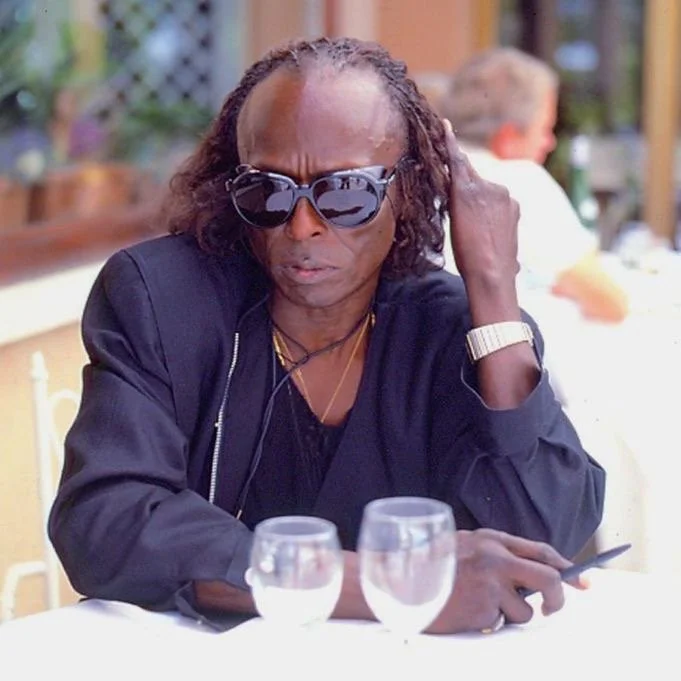
Ce qu’on a hérité de cette histoire c’est l’esthétique sans les enjeux. La posture sans la nécessité. Le cool détaché de ses origines devient autre chose : une hiérarchie sociale déguisée en trait de caractère. La personne qui n’est jamais impressionnée ne décrit pas son état intérieur. Elle fait une affirmation sur sa position. Et elle la fait, de manière cruciale, d’une façon qui ne peut pas être contestée , parce que remettre en question la température émotionnelle de quelqu’un, c’est avoir l’air exactement du genre de personne qui s’investit trop.
Le piège est structurel. Réagir confirme qu’on est affecté. Ne pas réagir valide la hiérarchie. Il n’y a pas de sortie propre depuis l’intérieur de la dynamique — ce qui est précisément pourquoi elle fonctionne si bien, et pourquoi elle tend à persister dans les industries créatives où paraître imperturbable a été silencieusement élevé au rang de crédibilité professionnelle.
Ce qui distingue l’indifférence authentique de sa version jouée est simple : la vraie n’a pas besoin de témoin.
Elle existe dans les pièces vides. Elle ne se module pas en fonction de qui vient d’entrer. La version performée a besoin de toi là, de toi qui essaies, du contraste de ton effort contre son immobilité. Enlève le public et le jeu n’a plus de carburant.
La sortie, quand on la trouve, n’est pas dramatique. C’est juste la décision d’arrêter d’auditionner. De dire ce qu’on pense sans attendre que ça atterrisse. De laisser le silence être son problème.
Mets-le en face de quelqu’un qui n’a genuinement pas besoin de son approbation. Quelqu’un sans aucun intérêt à faire bouger ce visage.
Deux secondes. Regarde.

Le Jeu De La Personne Occupée.

Real Life Barbie Satire -
Elle pose son téléphone face à elle sur la table.
Écran vers le haut.
Elle est là, vraiment là, elle dit.
Mais son corps est orienté vers autre chose.
Une notification.
Un créneau qui se libère.
Un endroit où elle devrait peut-être être.
Ce qu’on ne dit pas assez sur l’occupation : c’est un système de valorisation qui s’est inversé en à peine cinquante ans.
Pendant des siècles, le luxe suprême était le temps libre. Les aristocrates ne travaillaient pas, c’était la marque de leur statut. Le travail appartenait aux classes inférieures.
Puis quelque chose a basculé.
L’économie de services a créé une nouvelle classe dont la valeur se mesure au temps qu’on lui demande. Et dans cette classe, ne pas être demandé est devenu le signe du manque de valeur.
Alors on a inversé l’affichage. On montre qu’on est demandé.
On montre qu’on déborde. Le repos est devenu honteux.
Pascal avait identifié quelque chose de plus profond encore : le divertissement, la « diversion » dans le texte original, comme fuite de soi. Son argument n’était pas moral. Il était anthropologique.
L’homme, disait-il, ne supporte pas de rester face à lui-même. Face au silence, face au vide, quelque chose d’insupportable apparaît. Alors il se remplit. Il s’agite. Il chasse, il joue, il travaille, il planifie.
Ce que Pascal ne pouvait pas anticiper : que trois siècles plus tard, ce besoin de diversion serait capturé par une économie entière.
Que des entreprises construiraient leurs modèles sur notre incapacité à rester tranquilles.
Que l’occupation deviendrait non seulement une fuite psychologique mais un signal de marché.
Que le burning-out serait narré comme une preuve de dédication plutôt que comme un échec du système.
“L’agenda est devenu le nouveau signe extérieur de richesse. Pas les montres. Pas les sacs. Le fait de ne pas avoir de place avant trois semaines.”
Il y a un nom pour ce renversement dans la littérature sociologique : le « busyness as a status symbol ».
Des chercheurs de Columbia et Harvard ont documenté ce phénomène en 2017 dans le Journal of Consumer Research — en demandant à des participants d’évaluer le statut social de personnes décrites soit comme ayant du temps libre, soit comme étant débordées.
Résultat : dans les cultures occidentales contemporaines, la personne occupée était systématiquement perçue comme plus compétente, plus importante, plus valorisante. Le temps libre, lui, était associé à la paresse ou à l’insignifiance.
Ce qui rend le jeu particulièrement difficile à démontrer, c’est qu’il se superpose à une réalité vérifiable.
Certaines personnes sont effectivement débordées.
La distinction entre l’occupation réelle et l’occupation jouée ne se voit pas de l’extérieur — elle se vit de l’intérieur.
La question n’est pas « est-ce qu’elle est vraiment occupée ? » mais « est-ce qu’elle aurait du temps si elle le voulait vraiment ? ».
Et plus subtilement : « est-ce qu’elle sait encore faire la différence ? »
Parce qu’il y a un stade du jeu où la frontière disparaît.
Où la posture est devenue une architecture de vie.
Où on ne choisit plus d’être occupé
( on ne sait plus ne pas l’être? ).
Le calendrier se remplit automatiquement.
Le silence devient physiquement inconfortable.
Et la question de Pascal — qu’est-ce qui apparaîtrait si tu t’arrêtais — reste sans réponse.
Pas parce qu’elle est sans réponse.
Parce qu’on ne l’a pas laissée se poser.
The Busy Person Game.
Real Life Barbie Satire -
She puts her phone face-up on the table. Screen visible. She’s here, really here, she says.
But her body is angled toward something else.
A notification.
A slot that just opened.
Somewhere she might need to be instead.
What no one talks about enough: busyness is a status system that flipped completely in less than fifty years. For centuries, the ultimate luxury was free time.
Aristocrats didn’t work ( that was the mark of their status) . Labor belonged to the lower classes.
Then something shifted.
The service economy created a new class whose value is measured in how much their time is demanded.
And within that class, not being in demand became the sign of worthlessness.
So the display inverted. You show that you’re demanded.
You show that you’re overflowing.
Rest became something to be ashamed of.
Pascal identified something even deeper: entertainment — ‘diversion’ in the original text — as flight from the self.
His argument wasn’t moral. It was anthropological. People, he said, cannot bear to remain alone with themselves in silence. Faced with the void, something unbearable surfaces. So they fill. They move. They hunt, they play, they work, they plan. Anything rather than sitting still without doing something.
What Pascal couldn’t anticipate: that three centuries later this need for diversion would be captured by an entire economy. That companies would build their models on our inability to stay quiet. That busyness would become not just psychological escape but a market signal. That burnout would be narrated as proof of dedication rather than as a system failure.
“The busy person never needs to say they’re important. They make you feel it instead.”
There’s a name for this reversal in sociological literature: ‘busyness as a status symbol.’
Researchers from Columbia and Harvard documented it in 2017 in the Journal of Consumer Research — asking participants to evaluate the social status of people described as either having free time or being overwhelmed.
Result: in contemporary Western cultures, the busy person was systematically perceived as more competent, more important, more valuable. Free time was associated with laziness or insignificance.
What makes the game particularly hard to call out: it layers over a verifiable reality. Some people genuinely are overwhelmed. The difference between real busyness and performed busyness is invisible from outside — it’s lived from inside.
The question isn’t ‘are they really busy?’
It’s ‘would they have time if they truly wanted it?’
And more subtly: ‘do they still know the difference themselves?’
Because there’s a stage of the game where the line disappears. Where the posture has become an architecture of life. Where you’re no longer choosing to be busy, you no longer know how not to be. The calendar fills automatically.
Silence becomes physically uncomfortable.
And Pascal’s question — what would surface if you stopped — stays unanswered.
Not because it has no answer.
Because you haven’t let it be asked.